













Beeman Model 1085 QB II CO2 Repeater Air Rifle
€100.00
Description
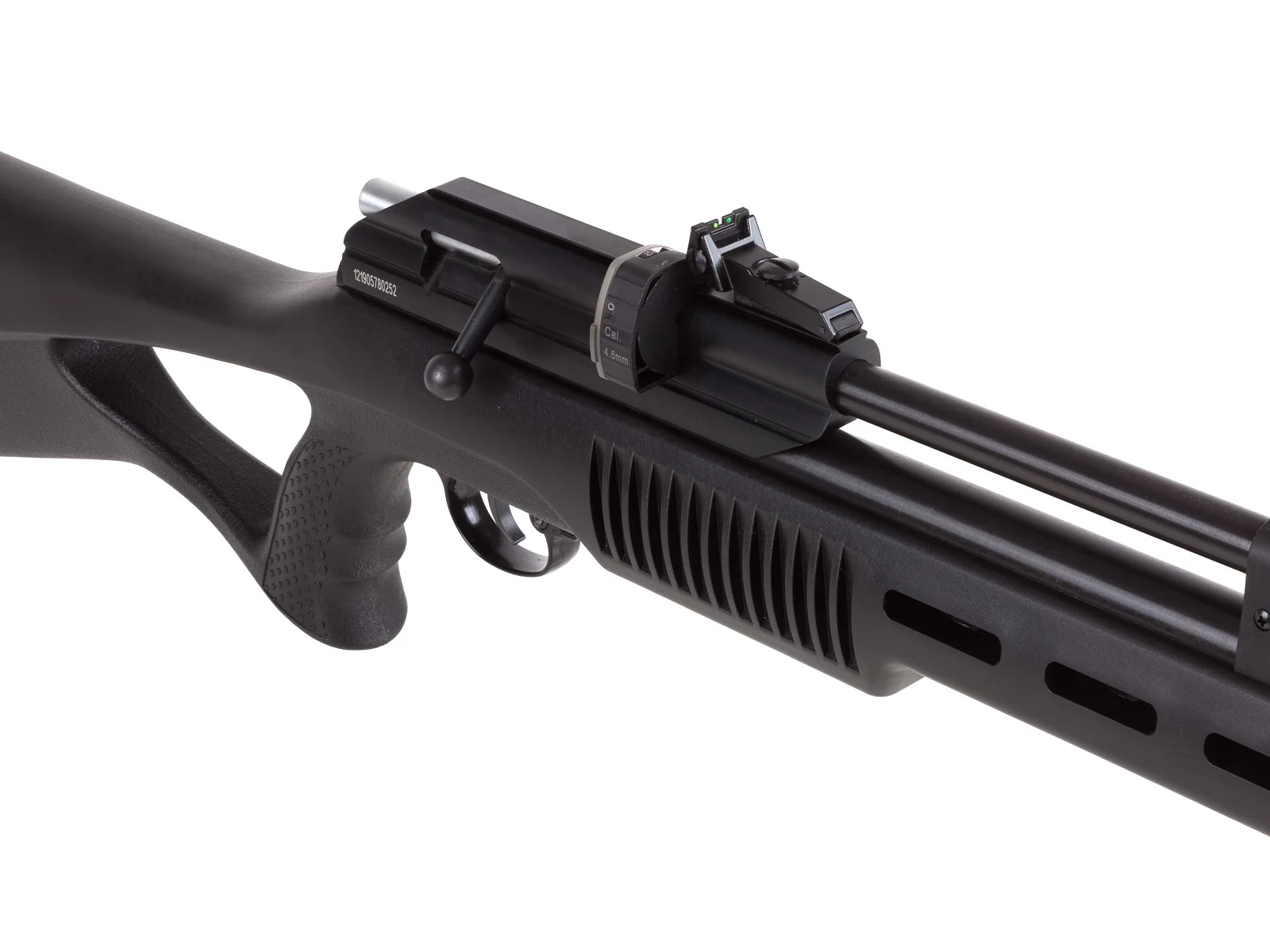
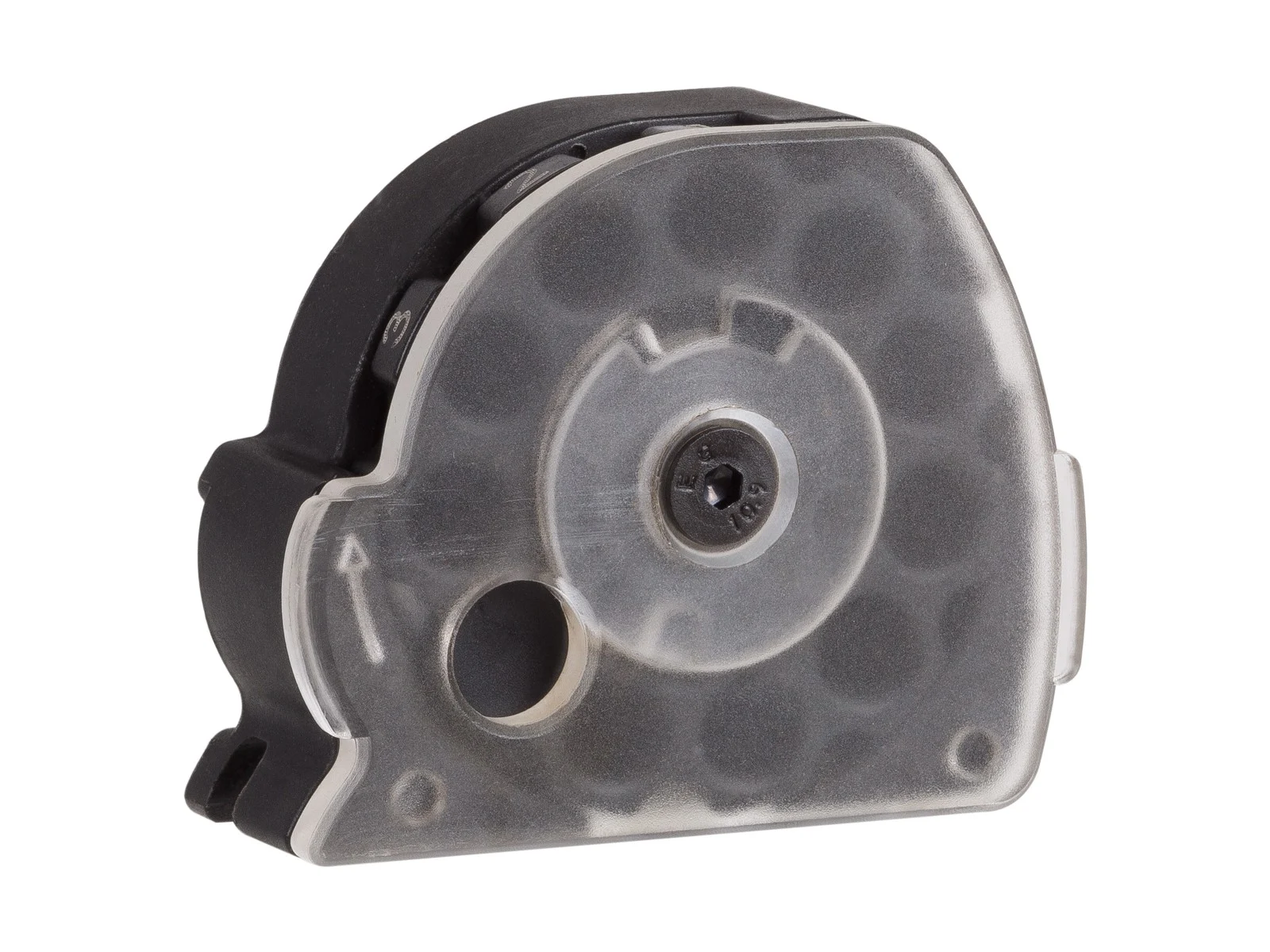
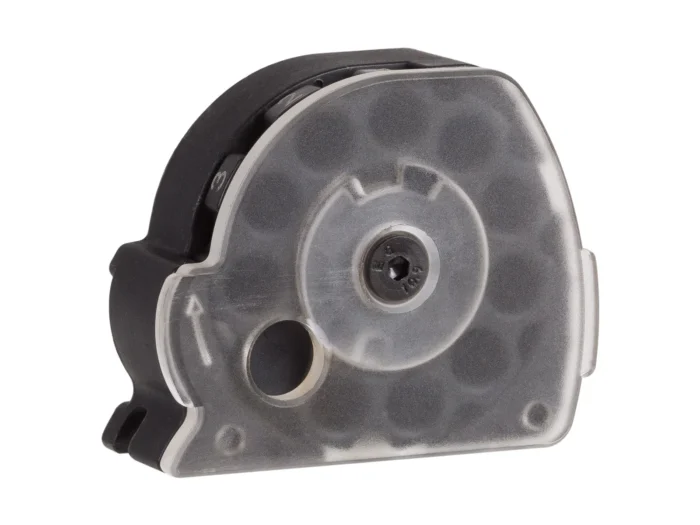
Known for its line of high-quality, yet budget-friendly line of air rifles and air pistols, Beeman keeps up the good work with a revision of one of its most popular CO2 air rifles, the QB78. Now known as the QBII, or Model 1085, this black, synthetic-stocked repeater is just the thing for backyard plinking and target shooting. Simply load up two standard, 12-gram CO2 cartridges. Pop in the included 10-shot rotary magazine and let the fun begin.
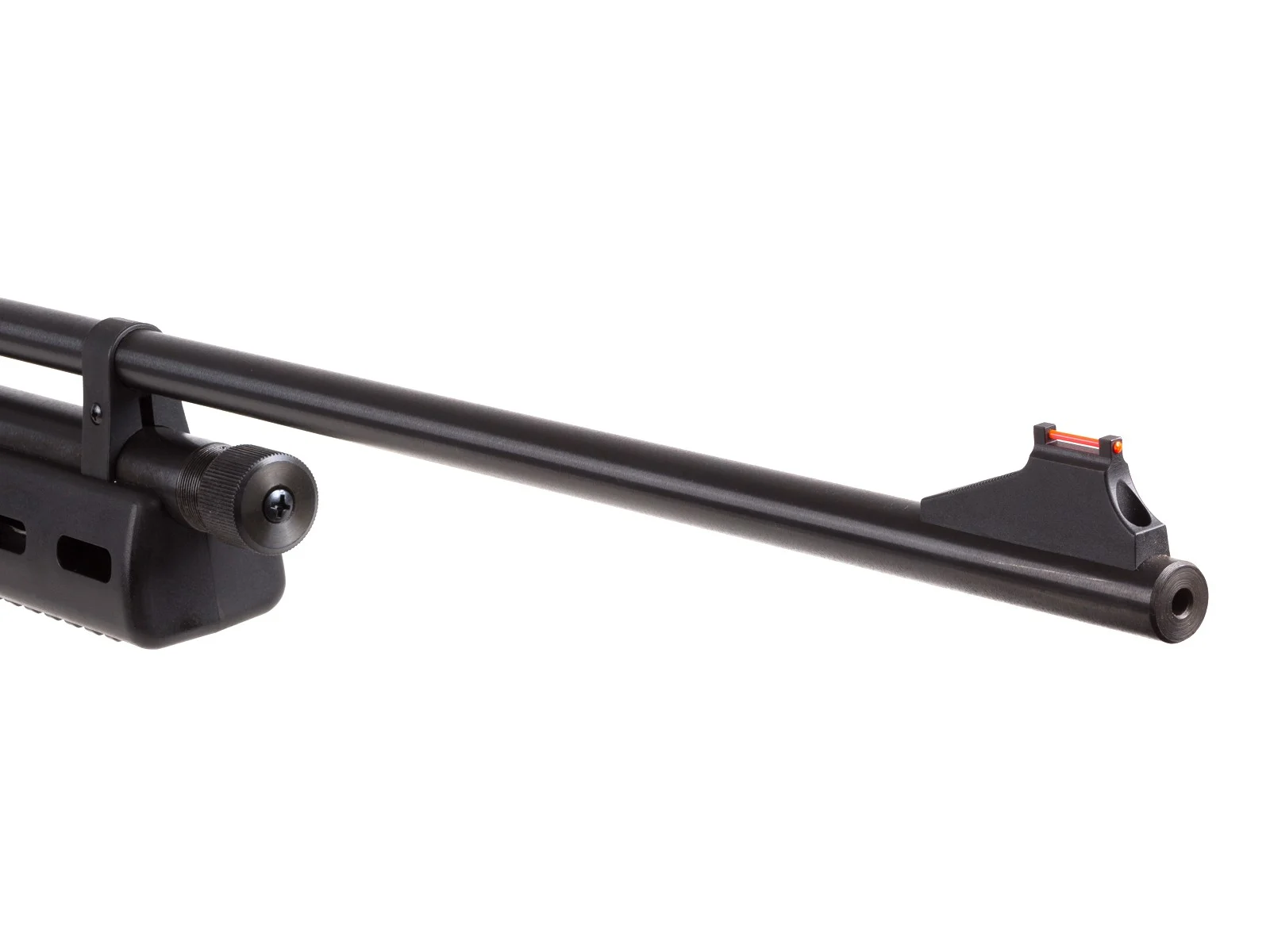
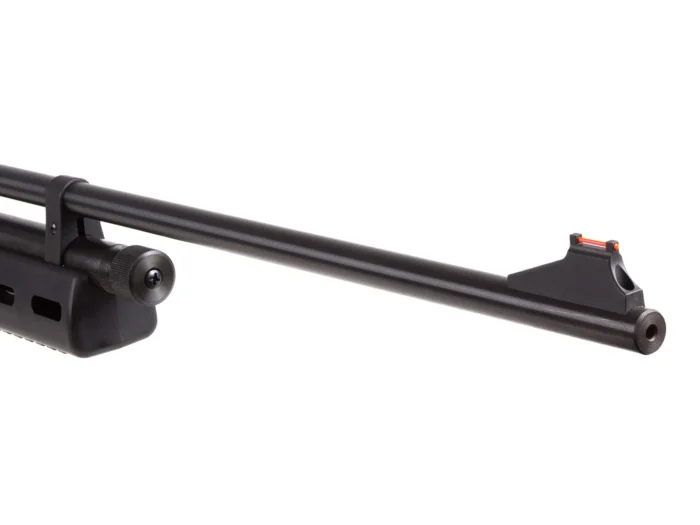
An accurate little rifle weighing in at just over six pounds, Beeman reports it produces center-to-center groups of .20” at 10 yards. The reported maximum velocity is 650 fps using lead pellets in .177 caliber. It’s got fiber-optic front and rear sights, an 11mm dovetail rail and an accessory rail under the forestock, so it’s a solid candidate for adding optics, lasers and lights.
Whether you’re in the market for an accurate, reliable CO2 air rifle to maintain your aim, teach new shooters the basics or are just looking for a simple, well-rounded air rifle to add to your collection, Beeman’s QB II air rifle is definitely worth a shot.
- Shop related categories: pellet guns, pellet rifles
Beeman CO2 QB II Repeater Air Rifle – Model 1085
- Black synthetic stock
- Fiber Optic Sights
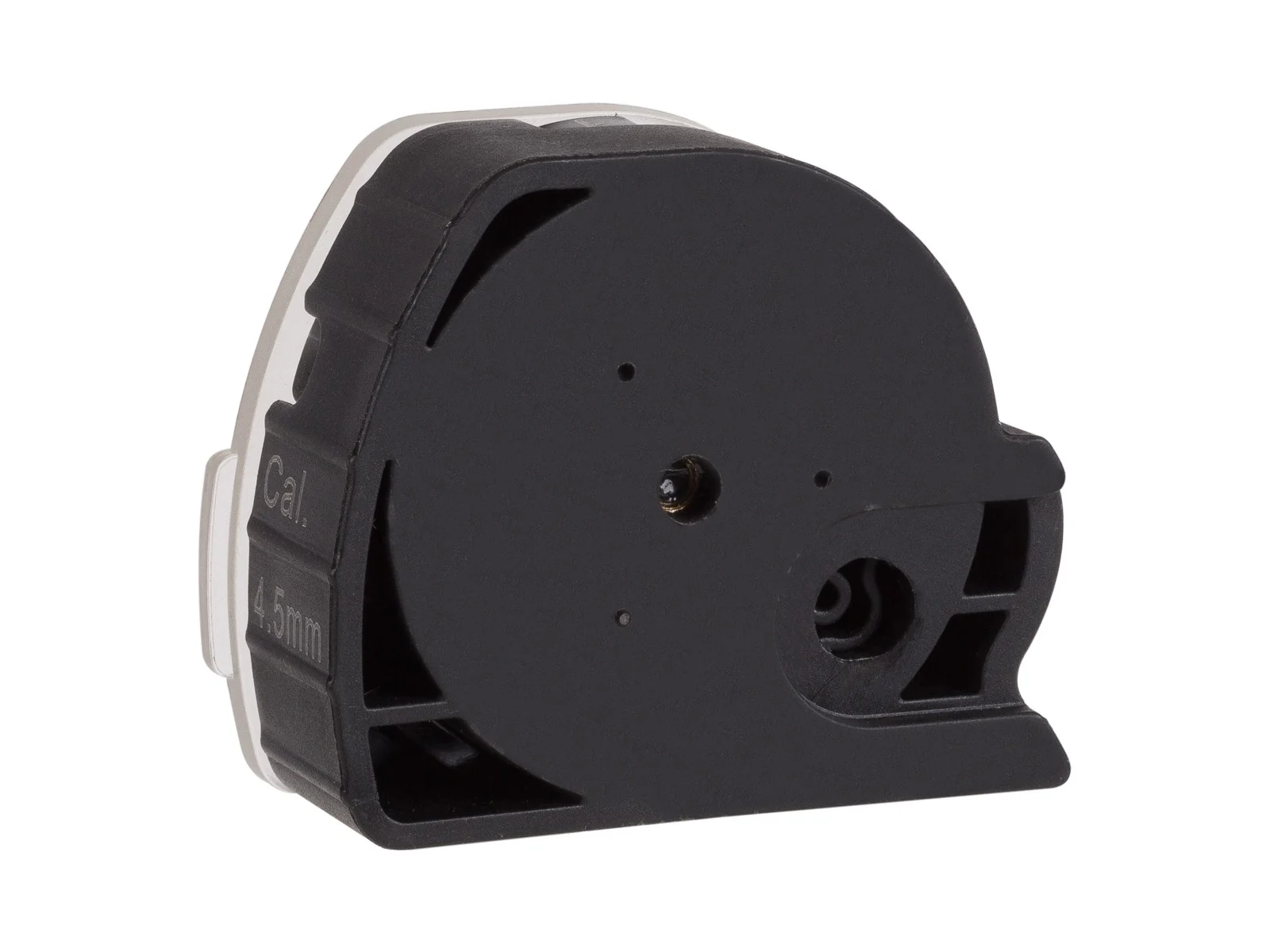
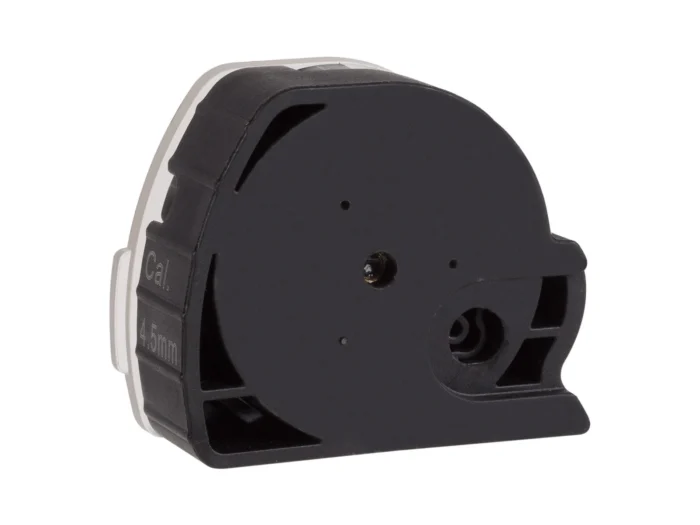
- 10-shot Pellet Magazine
- Manual safety
- Bolt action
- 11mm Dovetail
- Runs on (2) 12 gram CO2 cartridges
- Max. velocity: 650 fps in .177, 500 fps in .22
Specifications
BrandCaliber.177 (4.5mm)Max Velocity650 fpsSuggested forPlinking & target practicePowerplantCO2Loudness3-MediumWeight6.5 lbsFunctionRepeaterActionBolt-actionShroudedNoScopeable11mm dovetailFront SightsFiber OpticRear SightsFiber OpticSafetyManualBarrelRifledOverall Length38.6″Capacity10 round(s)Body TypeRifleStockSyntheticButtplateRubberGrip OrientationAmbidextrous
Beeman Model 1085 QB II CO2 Repeater Air Rifle – Technical CO₂-Powered Repeater Overview
Beeman QB II Engineering, CO₂ Architecture, Caliber Options, Accuracy, and Related Beeman Terminology
Beeman
beeman represents a broad airgun brand with spring-piston, gas-ram, PCP, CO₂, pistol, and accessory products.
Beeman Company
The phrase beeman company generally refers to Beeman Precision Airguns and its wider Marksman-associated product catalog.
Beeman Air Rifles
beeman air rifles include numerous mechanical architectures. Therefore, specifications should always remain tied to the exact model rather than being transferred across the entire catalog.
Beeman Air Guns
The phrase beeman air guns includes both rifles and pistols using several different power sources.
Beeman Model 1085 QB II
The Model 1085 is a CO₂-powered bolt-action repeater using pellets and a 10-shot magazine. The .177 version is rated at approximately 650 fps, while the .22 version is rated at approximately 500 fps.
CO₂ Power System
The rifle uses compressed carbon dioxide stored in replaceable cartridges rather than a spring or high-pressure refillable air reservoir.
Retailer documentation identifies the system as using two standard 12-gram cartridges.
Bolt-Action Repeater
The QB II combines a manual bolt with a repeating magazine system.
This makes it mechanically different from earlier single-shot CO₂ designs while retaining a traditional bolt-operated feel.
10-Shot Magazine
The rifle uses a 10-shot magazine in both .177 and .22 configurations.
.177 Configuration
The .177 model is identified as 1085 and uses 4.5 mm pellets.
Beeman rates maximum velocity at approximately 650 fps.
.22 Air Rifle
The .22 version uses 5.5 mm pellets and is currently listed as model 1085-22.
Manufacturer-rated velocity is approximately 500 fps.
22 Caliber Pellet Gun
The phrase 22 caliber pellet gun accurately describes the caliber category of the .22 version, although it does not identify the model by itself.
22 Cal Air Rifle 1400 FPS
The phrase 22 cal air rifle 1400 fps should not be presented as a QB II specification because Beeman lists approximately 500 fps for the .22 configuration.
High Power Pellet Gun
The phrase high power pellet gun is broad marketing terminology and should not replace verified specifications.
Beeman Repeater Rifle Sights Magazine
The phrase beeman repeater rifle sights magazine is relevant to the QB II because it combines fiber-optic sights with a 10-shot repeating magazine.
Fiber-Optic Sights
Both current caliber versions are listed with fiber-optic sights.
This gives the rifle a usable factory sighting system without requiring an optic.
11 mm Dovetail Rail
Retail listings identify an 11 mm dovetail rail for compatible optical equipment.
Synthetic Stock
The current QB II uses a black synthetic stock rather than traditional hardwood furniture.
This contributes to its relatively light overall configuration.
Manual Safety
Beeman lists a manual safety on both caliber versions.
Air Rifle Marksmanship
air rifle marksmanship depends on repeatable sight alignment, consistent trigger control, stable handling, and ammunition uniformity.
The comparatively low-recoil CO₂ firing cycle provides a stable mechanical foundation for controlled recreational target use.
Low-Recoil Operation
Beeman describes its CO₂ bolt-action rifles as effectively recoilless compared with spring-powered designs because there is no heavy spring-driven piston moving during discharge.
PCP Air Rifle
A pcp air rifle uses a refillable high-pressure air reservoir and is mechanically different from this cartridge-powered CO₂ system.
Precharged Pneumatic
precharged pneumatic therefore does not describe the QB II.
The two systems may both provide low mechanical recoil, but they use different pressure sources and maintenance requirements.
PCP Rifle
The term pcp rifle should remain separate from the QB II’s CO₂ architecture.
PCP Air Rifle 22 Cal
A pcp air rifle 22 cal may use the same projectile diameter as the .22 QB II while employing a completely different power system.
Beeman PCP Underlever Air Rifle
A beeman pcp underlever air rifle belongs to another modern Beeman platform family and should not be confused with the QB II.
Beeman Underlever
The phrase beeman underlever refers to another cocking or loading architecture rather than the QB II’s bolt-action design.
Beeman Commander
The beeman commander belongs to Beeman’s PCP family and operates at significantly higher stored pressure than the QB II’s disposable CO₂-cartridge architecture.
Beeman Chief 2
The phrase beeman chief 2 usually refers to a PCP model family rather than this CO₂ repeater.
Beeman QB78
The beeman qb78 is closely related historically but differs mechanically because many QB78 configurations are single-shot designs.
Beeman currently lists QB78-family rifles separately within its Power Series.
QB78S Relationship
The QB78S is another CO₂-powered bolt-action platform but is listed as single-shot rather than magazine-fed. This makes the QB II’s 10-shot repeater system a major distinction.
Beeman RS2
The beeman rs2 belongs to another air-rifle family and does not describe the QB II.
Sportsman RS2 Series
The sportsman rs2 series is likewise a separate platform.
Sportsman RS2 Series Beeman
The phrase sportsman rs2 series beeman is an alternative search form for that unrelated family.
Beeman RS2 Sportsman Series
beeman rs2 sportsman series should remain separate from QB II technical information.
Beeman Sportsman RS2 Series
The beeman sportsman rs2 series belongs to a different operating architecture.
Sportsman RS2 Series Price
The phrase sportsman rs2 series price concerns another product and is not a QB II specification.
Beeman Sportsman RS2 Series Price
Likewise, beeman sportsman rs2 series price should not be mixed into the technical description of this model.
Beeman 1521 Scope
The beeman 1521 scope is an accessory-related term rather than a factory-defining QB II component.
Beeman 66RL Scope
The beeman 66rl scope is another optic-related search term and should not automatically be presented as standard equipment.
10613
The term 10613 refers to another Beeman model and should not be treated as a QB II identifier.
1019X Gun
The phrase 1019x gun is another model-related search term rather than a verified QB II specification.
Beeman Jungle M16
The beeman jungle m16 belongs to unrelated historical or search terminology.
Beeman Broward
The phrase beeman broward does not represent a defining QB II technical feature.
Beeman BP50
The beeman bp50 belongs to a different Beeman airgun family.
Beeman P17
The beeman p17 is an air pistol rather than a CO₂ repeating rifle.
.177 Air Pistol
A .177 air pistol belongs to another equipment class, even though it may share the same projectile diameter as the .177 QB II.
Marksman
marksman is historically associated with Beeman/Marksman sporting products but does not identify this rifle model.
Marksman Rifle
The phrase marksman rifle is broad terminology rather than a QB II specification.
Marksman Pistol
A marksman pistol belongs to another product category.
Marksman Slingshot
A marksman slingshot uses elastic propulsion and has no mechanical relationship to this CO₂ system.
Marksman Folding Slingshot
The marksman folding slingshot likewise belongs to a different equipment category.
Marksman Slingshot Band Replacement
The phrase marksman slingshot band replacement concerns slingshot maintenance rather than air-rifle servicing.
Beeman Marksman Laserhawk III Slingshot
The beeman marksman laserhawk iii slingshot is unrelated to the QB II’s compressed-gas mechanism.
Classic Slingshot
A classic slingshot is mechanically unrelated to an air rifle.
Crosman Slingshot
A crosman slingshot belongs to another manufacturer and equipment class.
Why the CO₂ System Matters
The QB II does not require a high-pressure hand pump, compressor, or large external cylinder in the way many PCP systems do.
Instead, the power source comes from replaceable CO₂ cartridges. This simplifies the pressure architecture but also makes performance more sensitive to temperature because CO₂ pressure changes with ambient conditions.
Why the 10-Shot Repeater Matters
The 10-shot magazine distinguishes the QB II from earlier single-shot CO₂ platforms.
It adds a repeating loading mechanism while retaining bolt operation.
Why the Fiber-Optic Sights Matter
Fiber-optic sights provide a factory aiming system without requiring additional optical equipment.
Their physical condition and secure mounting still influence practical precision.
Why the Rifled Barrel Matters
Retailer specifications identify a rifled barrel, which provides rotational stabilization to the pellet.
Practical precision still depends on pellet consistency, barrel condition, sight alignment, temperature, and user technique.
Why Temperature Matters
CO₂ equipment behaves differently from high-pressure air systems because cartridge pressure is temperature-sensitive.
Cold conditions can reduce available pressure, while excessive heat should be avoided for safety and component longevity.
Precision Considerations
Retailer information reports that Beeman has cited approximately 0.20-inch center-to-center groups at 10 yards under controlled conditions, but this should be treated as a manufacturer performance claim rather than a guarantee for every individual rifle.
Actual results depend on ammunition, sighting equipment, mechanical condition, temperature, and user technique.
Overall Technical Perspective
The Beeman Model 1085 QB II CO2 Repeater Air Rifle is fundamentally a bolt-action, 10-shot, CO₂-powered pellet rifle offered in .177 and .22 caliber. Current Beeman specifications list a synthetic stock, fiber-optic sights, manual safety, approximately 38.6-inch overall length, roughly 6.2 pounds manufacturer-listed weight, and maximum velocities of approximately 650 fps in .177 and 500 fps in .22.
Retailer documentation further identifies the power source as two standard 12-gram CO₂ cartridges, with an 11 mm dovetail rail and rifled barrel.
Its defining characteristics are straightforward cartridge-powered operation, low mechanical recoil, repeating magazine capacity, compact dimensions, synthetic furniture, and traditional bolt action. Technical descriptions should keep these features distinct from Beeman PCP, spring-powered, underlever, slingshot, pistol, and single-shot CO₂ products rather than presenting unrelated search terminology as QB II specifications.
CO₂ Engineering, Accuracy Characteristics, Handling, Build Quality, Reliability, and Practical Performance
A well-designed carbon-dioxide-powered repeating rifle combines relatively simple propulsion technology with smooth operation, convenient loading, and manageable maintenance requirements. Instead of storing highly compressed air inside a refillable reservoir or relying on a large spring-driven piston, this design receives its operating energy from replaceable gas cartridges. Consequently, its firing cycle contains relatively little mechanical movement. This characteristic can provide a stable foundation for controlled recreational target use where lawful. Nevertheless, practical performance depends on much more than the power source alone. Barrel condition, ammunition consistency, temperature, sight stability, trigger behavior, magazine condition, seals, maintenance, and user technique all influence the overall experience.
CO₂ Propulsion Engineering
The propulsion system stores carbon dioxide in sealed cartridges until the equipment is prepared for use.
During operation, the mechanism releases a measured amount of gas to propel the appropriate projectile.
This architecture provides a straightforward alternative to systems requiring an externally charged high-pressure reservoir.
Smooth Operating Character
One noticeable characteristic of this system is its relatively smooth firing cycle.
There is no large spring-driven piston accelerating internally during discharge.
Therefore, mechanical movement is considerably reduced compared with many traditional spring-powered designs.
Low Mechanical Recoil
Reduced internal movement creates comparatively little mechanical recoil.
This can make the equipment comfortable during recreational target sessions.
However, low recoil does not automatically guarantee precision because several additional variables influence repeatability.
Gas-Cartridge Condition
Only cartridges that are physically sound and appropriate for the equipment should be considered.
Damaged, heavily corroded, punctured, or otherwise questionable cartridges should not be used.
Manufacturer instructions should remain the primary reference for compatibility.
Temperature Sensitivity
Ambient temperature is particularly important with carbon-dioxide propulsion.
Gas pressure changes according to temperature, meaning performance can vary between cold and warm conditions.
This characteristic should be understood as part of the operating system rather than automatically interpreted as a mechanical defect.
Cold-Weather Behavior
Cold conditions can reduce available gas pressure.
Consequently, the equipment may behave differently during colder recreational sessions.
Allowing equipment to remain within appropriate manufacturer-approved environmental conditions supports more predictable operation.
Heat Considerations
Excessive heat should always be avoided.
Gas cartridges and the surrounding equipment should never be intentionally exposed to extreme temperatures.
Safe storage conditions are important for both component longevity and responsible ownership.
Repeating Mechanism
The repeating system provides a different experience from a traditional single-shot configuration.
A magazine holds multiple projectiles while the mechanical action manages the loading sequence.
The system should operate smoothly without requiring excessive force.
Magazine Construction
Magazine condition can directly affect loading reliability.
Physical deformation, contamination, or wear may interfere with normal movement.
Periodic visual inspection can therefore help identify problems before they become significant.
Loading Consistency
A healthy loading mechanism should feel reasonably consistent during ordinary operation.
Unexpected resistance, scraping, or unusual looseness can indicate contamination or mechanical wear.
A component that suddenly becomes difficult to operate should not simply be forced.
Bolt Movement
The bolt provides a direct mechanical connection between the user and loading system.
Its movement should remain predictable.
Significant changes in resistance or alignment deserve appropriate inspection.
Breech Condition
The loading area performs an important role in the complete system.
It should remain clean and free from visible physical damage.
Sealing surfaces around this area also contribute to efficient operation.
Seal Integrity
Seals help contain gas at critical interfaces.
Age, repeated use, environmental exposure, and contamination can gradually influence their condition.
Developing leakage may indicate that maintenance is required.
Gas Efficiency
Efficiency depends on the condition of the complete gas-handling system.
Healthy seals, appropriate temperature, correct ammunition, and sound mechanical components all contribute.
Therefore, cartridge consumption should not be evaluated independently from overall equipment condition.
Barrel Construction
A rifled barrel provides rotational stabilization to the projectile.
The quality and condition of the bore contribute to repeatability.
However, the barrel must work together with suitable ammunition and stable sighting equipment.
Barrel Protection
Physical impact should be avoided.
Damage to the barrel or muzzle area can potentially influence performance.
A suitable protective case can reduce accidental contact during transportation.
Bore Condition
The internal bore should remain free from obstruction and significant corrosion.
Excessive cleaning is not necessarily beneficial.
Appropriate manufacturer guidance should determine when and how maintenance is performed.
Practical Accuracy
Practical accuracy develops from multiple interacting factors.
Ammunition uniformity, barrel condition, trigger consistency, sight alignment, temperature, mechanical condition, and user technique all contribute.
For this reason, isolated results should not define overall quality.
Accuracy Consistency
Repeatability is generally more informative than one exceptional result.
A healthy platform should provide predictable behavior when environmental conditions and other variables remain similar.
Significant unexplained changes deserve investigation.
Ammunition Selection
Only ammunition of the correct caliber and appropriate type should be used.
Different projectile designs can produce different results even when their nominal caliber is identical.
Manufacturer recommendations should take priority.
Projectile Condition
Damaged or contaminated projectiles can introduce unnecessary inconsistency.
Ammunition should remain clean, dry, and protected from deformation.
Careful storage supports more meaningful performance evaluation.
Trigger Characteristics
A predictable trigger contributes to controlled operation.
Consistent movement allows the user to become familiar with its normal mechanical behavior.
Unexpected changes should receive inspection rather than improvised alteration.
Safety Mechanism
A mechanical safety provides an additional safeguard.
However, responsible handling remains essential regardless of its position.
No mechanical safety should ever be treated as infallible.
Synthetic Furniture
Synthetic construction offers practical resistance to many environmental conditions that can affect natural wood.
It also simplifies routine exterior care.
Nevertheless, synthetic components should still be protected from extreme heat, aggressive chemicals, and significant impact.
Stock Durability
The stock provides structural support and ergonomic contact.
Its mounting points should remain secure and free from cracking or deformation.
Any substantial damage deserves appropriate evaluation.
Grip Comfort
Grip geometry influences how naturally the equipment can be supported.
A comfortable position reduces unnecessary hand tension.
Individual proportions naturally affect perceived ergonomics.
Shoulder Fit
Stock dimensions influence shoulder placement and general balance.
A comfortable fit can make extended recreational sessions easier to manage.
However, ergonomic suitability remains subjective.
Weight Distribution
Good balance can make equipment feel stable without becoming unnecessarily cumbersome.
The barrel, action, gas system, and stock collectively determine weight distribution.
Total weight alone cannot completely describe handling quality.
Factory Sighting System
An integrated sighting arrangement provides a straightforward starting point for controlled recreational target use.
The sights should remain physically secure and correctly aligned.
Loose components can produce inconsistent results.
Optical Mounting Interface
A dedicated mounting surface can accommodate compatible sighting equipment where appropriate.
Mounting hardware should fit correctly and remain secure.
Improvised installation can damage the interface or compromise alignment.
Environmental Influence
Wind, temperature, humidity, and lighting can influence practical results.
Temperature deserves particular consideration because it directly affects carbon-dioxide pressure.
Performance comparisons should therefore consider environmental conditions.
Exterior Maintenance
Routine maintenance should emphasize preservation rather than unnecessary disassembly.
Exterior surfaces can be kept clean and dry.
Aggressive chemicals should be avoided unless they are specifically appropriate for the materials involved.
Corrosion Prevention
Metal components should remain protected from persistent moisture.
Developing surface corrosion is easier to address before deterioration becomes extensive.
Dry storage therefore remains an important part of long-term care.
Magazine Maintenance
The magazine should remain clean and physically sound.
Heavy contamination can interfere with normal operation.
However, unnecessary disassembly should be avoided unless supported by appropriate technical guidance.
Long-Term Storage
Equipment intended for extended storage should remain unloaded, secure, clean, and dry.
Gas-system storage procedures should follow manufacturer instructions.
Unauthorized access should always be prevented.
Transportation Protection
A protective case can help prevent scratches, impact damage, and sight misalignment.
The equipment should remain unloaded and properly secured during transportation.
Applicable local requirements should always be followed.
Recognizing Developing Problems
Changes in gas retention, loading movement, trigger behavior, sound, or general mechanical feel can provide early indications of maintenance requirements.
Users who understand normal operating behavior are better positioned to recognize unusual changes.
Professional Servicing
Internal gas-system problems should receive appropriate technical attention.
Valve repairs, significant seal work, and damaged pressure-related components should not be addressed through improvised modification.
Qualified servicing supports safer long-term ownership.
Long-Term Reliability
Reliability depends on more than original manufacturing quality.
Suitable storage, healthy seals, a clean loading system, protected barrel surfaces, secure sights, and responsible maintenance all contribute to service life.
Environmental conditions also deserve consideration because of the temperature-sensitive propulsion system.
Overall Practical Assessment
This repeating carbon-dioxide platform combines a smooth firing cycle, relatively low mechanical recoil, convenient magazine operation, straightforward bolt action, durable furniture, and uncomplicated everyday handling. These characteristics can provide a practical foundation for lawful recreational target activities without the large moving piston associated with traditional spring-powered equipment.
Its long-term quality should ultimately be evaluated through consistency rather than headline performance alone. Gas-system integrity, temperature behavior, barrel condition, magazine reliability, trigger predictability, sight stability, ammunition uniformity, and maintenance history collectively provide a more meaningful picture. With dry storage, appropriate environmental protection, periodic inspection, careful transportation, and professional servicing when required, the system can maintain predictable operation and dependable service over an extended ownership period.
Long-Term Durability, Precision Consistency, Ergonomics, Maintenance, Storage, and Ownership Experience
A carbon-dioxide-powered repeating platform can provide a straightforward ownership experience when its mechanical and gas-handling components remain in appropriate condition. Its operating character differs significantly from both spring-driven and high-pressure reservoir systems because propulsion energy comes from replaceable compressed-gas cartridges. This arrangement reduces internal mechanical movement during discharge while maintaining a relatively uncomplicated architecture. Nevertheless, long-term reliability depends on much more than the propulsion method. Barrel condition, seals, valve health, loading components, magazine integrity, trigger behavior, sights, stock construction, environmental conditions, and maintenance practices all influence how well the equipment performs throughout its service life.
Long-Term Durability
Durability begins with sound construction but continues through responsible ownership.
Metal components, seals, moving assemblies, and external surfaces naturally experience some degree of aging.
Appropriate care can reduce unnecessary deterioration and preserve predictable operation.
Mechanical Consistency
A healthy mechanical system should develop a recognizable operating character.
The bolt, trigger, safety, magazine, and loading assembly should generally behave consistently.
Sudden changes in resistance, movement, or sound deserve attention.
Precision Over Time
Precision should be evaluated through repeatable results rather than isolated performance.
A stable barrel, secure sights, consistent ammunition, healthy seals, suitable environmental conditions, and controlled technique all contribute.
Therefore, changes in results should be investigated systematically rather than attributed immediately to one component.
Smooth Firing Behavior
Compressed-gas propulsion produces comparatively little internal mechanical movement.
The absence of a large spring-driven piston gives the firing cycle a smooth character.
This can provide a stable foundation for controlled recreational target activities.
Temperature and Consistency
Temperature has a meaningful influence on this type of propulsion.
Changes in environmental conditions can alter gas pressure and consequently affect operating characteristics.
Performance comparisons are therefore most useful when surrounding conditions are considered.
Cold Conditions
Lower temperatures can reduce gas pressure.
As a result, behavior may differ from that experienced under moderate conditions.
This does not necessarily indicate mechanical deterioration.
Excessive Heat
Extreme heat should be avoided.
Cartridges and associated equipment should be stored within appropriate manufacturer-recommended conditions.
Leaving them exposed to excessive temperatures can create unnecessary risk.
Seal Longevity
Seals are important because they help retain gas throughout the operating system.
Age, repeated use, contamination, and storage conditions can gradually influence their condition.
Persistent leakage is a useful indication that servicing may be required.
Valve Condition
The valve controls the release of stored gas.
Consistent valve operation contributes to predictable performance.
Because it forms part of the pressure-handling system, significant internal work should receive qualified technical attention.
Loading Reliability
The loading mechanism should remain smooth and predictable.
Developing roughness, resistance, or excessive movement can indicate contamination or mechanical wear.
Forcing an abnormal mechanism should be avoided.
Magazine Condition
A repeating magazine contains moving and alignment-related components that can gradually experience wear.
It should remain clean, structurally sound, and free from obvious deformation.
Damaged components should be replaced with compatible alternatives.
Breech Integrity
The breech plays an important role in both loading and sealing.
Its surfaces should remain clean and physically sound.
Damage around critical interfaces can potentially influence efficiency and consistency.
Barrel Stability
The barrel should remain securely positioned throughout the equipment’s service life.
Physical impact or improper transportation can potentially affect alignment.
Any suspected structural problem deserves professional evaluation.
Muzzle Protection
The muzzle area should be protected carefully.
Impact damage can influence projectile behavior even when the remainder of the barrel appears satisfactory.
A protective case can reduce accidental contact during transportation.
Bore Preservation
The internal bore should remain free from significant corrosion and obstruction.
However, excessive cleaning can be unnecessary.
Maintenance should follow suitable guidance rather than an aggressive schedule.
Ammunition Uniformity
Consistently manufactured ammunition provides a more reliable basis for evaluating equipment performance.
Physical deformation, contamination, and manufacturing variation can influence results.
Only the correct caliber and appropriate type should be used.
Trigger Consistency
The trigger should retain predictable mechanical characteristics.
A familiar and consistent release can support controlled recreational operation.
Unexpected changes should receive inspection rather than unnecessary modification.
Safety Reliability
The mechanical safety should remain fully functional.
However, it should always be treated as an additional safeguard rather than the primary method of preventing an unintended discharge.
Responsible handling remains essential.
Stock Construction
Synthetic furniture offers practical durability and relatively straightforward maintenance.
It is generally less sensitive to ordinary humidity changes than natural wood.
Nevertheless, it should still be protected from significant impact and extreme temperatures.
Stock Integrity
The stock should remain structurally sound around mounting areas and major contact points.
Cracks, deformation, or damaged attachment points can influence stability.
Structural concerns should receive appropriate assessment.
Grip Ergonomics
Grip shape contributes to handling comfort.
A natural hand position can reduce unnecessary muscular tension during recreational use.
Individual hand size and preference influence perceived fit.
Shoulder Comfort
Stock geometry affects how the platform settles against the shoulder.
Comfort becomes increasingly noticeable during longer recreational sessions.
A stable position can also support more repeatable handling.
Weight Distribution
Balance should be considered alongside overall weight.
The relationship between the barrel, action, gas system, and stock determines how the platform feels when supported.
A balanced configuration can provide comfortable stability.
Sight Condition
Sighting components should remain physically secure.
Loose or damaged sights can produce inconsistent results that may incorrectly appear to originate from the barrel or gas system.
Periodic inspection is therefore worthwhile.
Mounting-Surface Condition
Accessory mounting surfaces should remain free from significant damage.
Incorrect installation or excessive tightening can create problems.
Compatible hardware should always be used when accessories are fitted.
Exterior Metal Protection
Metal surfaces can gradually corrode when repeatedly exposed to moisture.
Routine preservation helps maintain their original condition.
Equipment should not be stored while unnecessarily wet.
Synthetic Surface Care
Synthetic furniture generally requires limited maintenance.
Ordinary surface contamination can usually be removed without aggressive treatment.
Strong solvents should be avoided unless specifically suitable for the material.
Routine Inspection
Periodic visual inspection can identify developing problems before they become substantial.
The barrel, stock, magazine, loading mechanism, sights, safety, accessible seals, and external hardware should all be considered.
Inspection does not require unnecessary disassembly.
Cleaning Philosophy
Maintenance should focus on actual need.
Frequent internal disassembly is not automatically beneficial and can introduce new problems.
Simple exterior preservation and observation are often more appropriate for routine ownership.
Recognizing Gas Leakage
Unexpected loss of stored gas can indicate deterioration within a seal, valve, or connection.
Repeated leakage should not simply be accepted as normal.
The underlying problem deserves appropriate diagnosis.
Storage Environment
Long-term storage should take place in a secure, dry, reasonably temperature-stable environment.
The equipment should remain unloaded and protected from unauthorized access.
Gas-system storage should follow manufacturer guidance.
Avoiding Damp Cases
Protective cases are valuable during transportation but can retain moisture.
Equipment should therefore be dry before being enclosed for extended periods.
Persistent trapped humidity can contribute to corrosion.
Transportation
Transportation should occur with the equipment unloaded and properly secured.
A suitable case helps protect the barrel, sights, stock, and mechanical components from accidental impact.
Applicable regulations should always be observed.
Periods of Inactivity
Long periods without use do not guarantee unchanged mechanical condition.
Seals can age and metal surfaces can deteriorate depending on storage conditions.
Inspection is appropriate before returning equipment to normal recreational operation.
Replacement Components
Replacement parts should correspond to the exact configuration.
Physical similarity does not necessarily establish compatibility.
Correct components help preserve original mechanical behavior.
Professional Maintenance
Significant internal gas-system work requires appropriate technical knowledge.
Valve servicing, major seal replacement, and pressure-related repairs should therefore be handled by qualified personnel.
Improvised repair can create unnecessary hazards.
Avoiding Unnecessary Modifications
The original operating system represents a coordinated relationship between valve behavior, gas pressure, mechanical dimensions, and structural components.
Unnecessary alterations can affect reliability.
Maintaining the intended configuration also simplifies future servicing.
Maintenance Documentation
Basic service records can be useful throughout long-term ownership.
Professional inspections, seal replacements, repairs, and significant component changes can be documented.
This information becomes especially useful as equipment ages.
Ownership Costs
Long-term ownership involves more than the initial equipment.
Replacement cartridges, compatible ammunition, maintenance supplies, replacement seals, accessories, and occasional professional servicing may contribute to ongoing costs.
These considerations should form part of realistic ownership planning.
Responsible Recreational Use
The platform should be operated only in lawful and controlled recreational environments.
Facility rules, safe handling practices, secure storage, and appropriate transportation remain important parts of ownership.
Local requirements should always take priority.
Overall Ownership Perspective
A well-maintained compressed-gas repeater can provide a smooth and predictable recreational experience over an extended service life. Its low mechanical recoil, straightforward loading architecture, repeating capability, durable furniture, and uncomplicated operating system create a practical combination of convenience and traditional mechanical control.
Long-term satisfaction ultimately depends on condition and care. Healthy seals, consistent valve operation, a sound barrel, reliable loading components, secure sights, suitable ammunition, appropriate temperature management, and dry storage all contribute to dependable operation. Periodic inspection can identify developing problems early, while professional servicing provides the appropriate response when internal pressure-system concerns arise. With responsible maintenance, secure storage, careful transportation, and lawful recreational use, the equipment can retain its mechanical consistency and practical usability for many years.
Build Integrity, Performance Stability, Practical Handling, Maintenance Planning, Serviceability, and Long-Term Care
A carbon-dioxide-powered repeating platform should be evaluated as a complete mechanical system rather than through velocity or appearance alone. Its long-term quality depends on how effectively the barrel, valve assembly, seals, loading mechanism, magazine, trigger, safety system, stock, sights, and external hardware continue working together. Because the propulsion system produces relatively little mechanical movement during discharge, the equipment can offer a smooth and predictable operating character. However, gas pressure remains sensitive to environmental conditions, while seals and moving components naturally experience wear. Sensible inspection and maintenance therefore play an important role throughout ownership.
Overall Build Integrity
Build integrity describes how securely the major components remain assembled and aligned.
The barrel, action, stock, loading assembly, and sighting components should retain their intended positions.
Unexpected looseness or physical movement can indicate that inspection is necessary.
Mechanical Fit
Moving components should operate without excessive resistance or unnecessary play.
A consistent mechanical feel usually provides a useful indication that interacting surfaces remain in appropriate condition.
Sudden changes should not simply be ignored.
Exterior Metalwork
Metal components provide structural strength throughout the system.
Although protective finishes reduce environmental exposure, they do not make the surfaces completely immune to corrosion.
Regular visual inspection remains useful.
Finish Durability
The exterior finish can gradually develop minor marks through ordinary ownership.
Such cosmetic changes should be distinguished from deep corrosion, deformation, or structural damage.
Routine preservation can help maintain both appearance and condition.
Synthetic Stock Construction
Synthetic furniture provides a practical alternative to traditional wood.
It is generally less sensitive to normal changes in humidity and requires relatively little surface maintenance.
Nevertheless, substantial impact and extreme temperatures should still be avoided.
Stock Integrity
The stock provides important structural support.
Mounting areas should remain free from cracks, deformation, or excessive movement.
Damage around these points can affect overall stability.
Action-to-Stock Stability
The mechanical action should remain securely positioned within the stock.
Visible attachment points can be inspected periodically.
However, unnecessary tightening should be avoided because excessive force can damage components.
Barrel Integrity
The barrel is a central component of the complete system.
It should remain straight, securely positioned, and protected from significant impact.
Any suspected structural damage deserves appropriate professional assessment.
Rifling Preservation
Internal rifling contributes to stable projectile flight.
The bore should remain free from significant corrosion and obstruction.
Cleaning should be performed only when necessary and with suitable materials.
Muzzle Condition
The muzzle deserves careful protection because physical damage can influence consistency.
Improper storage or transportation can expose this area to unnecessary impact.
A correctly fitted protective case helps reduce that possibility.
Repeating-System Reliability
A repeating mechanism introduces additional convenience but also contains more interacting parts than a simple single-shot arrangement.
Reliable operation depends on magazine condition, correct alignment, and smooth mechanical movement.
These components should never require excessive force.
Magazine Inspection
The magazine should remain physically sound and free from heavy contamination.
Wear or deformation can interfere with normal operation.
Replacement components should correspond to the correct configuration.
Loading-System Condition
The loading mechanism should retain a predictable feel.
Unexpected scraping, resistance, or excessive looseness can indicate wear.
Developing problems are generally easier to manage when identified early.
Breech Integrity
The breech supports both loading and sealing functions.
Its surfaces should remain clean and free from obvious physical damage.
Sealing problems around this area can potentially influence gas efficiency.
Gas-System Condition
The propulsion system depends on controlled gas containment and release.
Seals, valve components, cartridge interfaces, and associated connections all contribute.
Their condition should therefore be considered together rather than independently.
Seal Longevity
Seals naturally age over time.
Environmental conditions, repeated use, contamination, and storage practices can influence their service life.
Persistent leakage may indicate that maintenance is necessary 1783 silver bear beeman.
Valve Reliability
The valve controls gas release during operation.
A healthy valve contributes to predictable behavior.
Significant internal valve work should remain a professional maintenance procedure.
Temperature Management
Environmental temperature has an important relationship with gas pressure.
Cold conditions can reduce available pressure, while excessive heat can create unfavorable conditions.
Stable moderate temperatures are preferable whenever practical.
Seasonal Performance
Differences between warm-weather and cold-weather behavior do not necessarily indicate a defect.
Environmental conditions should be considered when evaluating consistency.
Comparisons are more meaningful when operating conditions are reasonably similar.
Smooth Firing Character
One advantage of compressed-gas propulsion is the relatively small amount of internal mechanical movement during discharge.
The absence of a heavy moving piston contributes to a smooth operating feel.
This characteristic can support stable recreational target use.
Practical Precision
Precision develops from several factors working together.
Barrel condition, ammunition uniformity, sight alignment, trigger consistency, gas pressure, temperature, and user technique all contribute.
No single specification provides a complete picture.
Consistency Evaluation
Repeatability is generally more informative than occasional exceptional results.
When environmental conditions remain similar, a healthy platform should provide reasonably predictable behavior.
Significant unexplained changes can indicate that inspection is appropriate.
Trigger Behavior
The trigger should maintain familiar mechanical characteristics.
A consistent release provides predictable feedback.
Unexpected changes in resistance or movement should receive attention rather than unnecessary modification.
Safety-System Reliability
The mechanical safety should operate correctly throughout the service life of the equipment.
However, it remains an additional safeguard rather than a replacement for responsible handling.
Any malfunction should be addressed before further recreational use.
Sight Security
Sighting components should remain securely installed.
Loose sights can create inconsistent results even when the underlying barrel and propulsion systems remain healthy.
Routine inspection can identify these relatively simple problems.
Mounting Interface
Accessory mounting surfaces should remain free from significant damage.
Compatible hardware should fit correctly without requiring excessive force.
Improvised installation can create alignment or structural problems.
Handling Comfort
Comfort depends on stock dimensions, grip shape, shoulder position, overall weight, and balance.
A stable configuration can reduce unnecessary muscular tension.
Individual proportions naturally influence perceived ergonomics.
Balance
Weight distribution can affect handling more noticeably than total weight alone.
The relationship between the barrel, action, gas system, and stock determines overall balance.
A well-distributed platform can feel stable without becoming cumbersome.
Extended Recreational Use
Comfort becomes increasingly important during longer sessions.
Predictable trigger behavior, manageable balance, and a smooth firing cycle can contribute to a more consistent experience.
Responsible handling should remain unchanged as sessions continue.
Routine Inspection
Periodic inspection does not require complete disassembly.
Visible metal surfaces, the stock, barrel, magazine, sights, loading mechanism, safety, and accessible gas-system areas can all be observed.
The goal is to identify changes early.
Exterior Cleaning
Routine exterior maintenance should remain straightforward.
Handling residue and ordinary contamination can be removed using products suitable for the materials involved.
Aggressive chemicals should be avoided unless specifically appropriate.
Corrosion Prevention
Persistent moisture can gradually affect metal surfaces.
Equipment should therefore be dry before long-term storage.
Early surface deterioration is easier to manage than extensive corrosion.
Storage Conditions
A secure, dry, and reasonably temperature-stable environment supports long-term preservation.
The equipment should remain unloaded and protected from unauthorized access.
Gas-system storage procedures should follow manufacturer instructions.
Protective Cases
A case can protect against scratches and accidental impact during transportation.
However, moisture can become trapped inside enclosed cases.
Equipment should be dry before prolonged enclosure.
Transportation
The equipment should remain unloaded and properly secured during transportation.
A protective case helps preserve the barrel, sights, stock, and other external components.
Applicable transportation requirements should always be followed.
Maintenance Planning
Maintenance should respond to actual equipment condition.
Persistent leakage, rough loading behavior, damaged components, unusual trigger movement, or other irregularities can indicate that servicing is necessary.
Unnecessary internal work should be avoided.
Professional Servicing
Internal gas-handling components require appropriate technical knowledge.
Valve repairs, major seal replacement, or significant internal servicing should therefore be performed by qualified personnel.
Improvised repairs can introduce additional problems.
Replacement Parts
Correct replacement components help preserve intended mechanical behavior.
Visual similarity alone does not establish compatibility.
Model-specific parts should be used whenever servicing requires replacement.
Avoiding Unnecessary Alteration
The original system represents a coordinated relationship between gas pressure, valve operation, mechanical dimensions, and structural components.
Unnecessary modification can disturb this relationship.
Maintaining the intended configuration generally supports reliability.
Service Records
Keeping basic maintenance records can improve long-term ownership.
Professional inspections, seal replacements, repaired components, and other significant work can be documented.
These records become increasingly useful as equipment ages.
Long-Term Serviceability
Serviceability depends on both original construction and subsequent care.
Appropriate storage, timely maintenance beeman 1783 silver bear, compatible components, and protection from environmental damage can substantially influence useful service life.
Neglected equipment can deteriorate regardless of initial quality.
Responsible Ownership
Secure storage, lawful transportation, controlled recreational use, and appropriate maintenance are all parts of responsible ownership.
Applicable local requirements and facility procedures should always be respected.
Overall Long-Term Perspective
A well-maintained compressed-gas repeater can provide a straightforward and predictable ownership experience. Its smooth firing character, relatively low mechanical recoil, repeating loading system, durable stock construction, and uncomplicated propulsion architecture create a practical platform for controlled recreational target activities where permitted.
Long-term quality ultimately depends on consistency and condition. Healthy seals, reliable valve operation, a protected barrel, sound loading components, secure sights, stable stock mounting, suitable ammunition, and sensible temperature management collectively support dependable performance. Dry storage, periodic inspection, careful transportation, appropriate replacement parts, and professional servicing when necessary can preserve these characteristics throughout an extended service life.
Be the first to review “Beeman Model 1085 QB II CO2 Repeater Air Rifle”
Related products

Beeman Air Rifle


Beeman Air Rifle

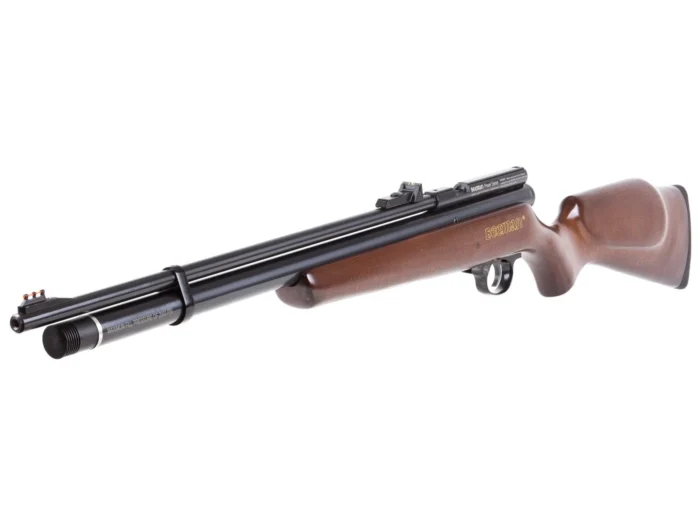
Beeman Air Rifle
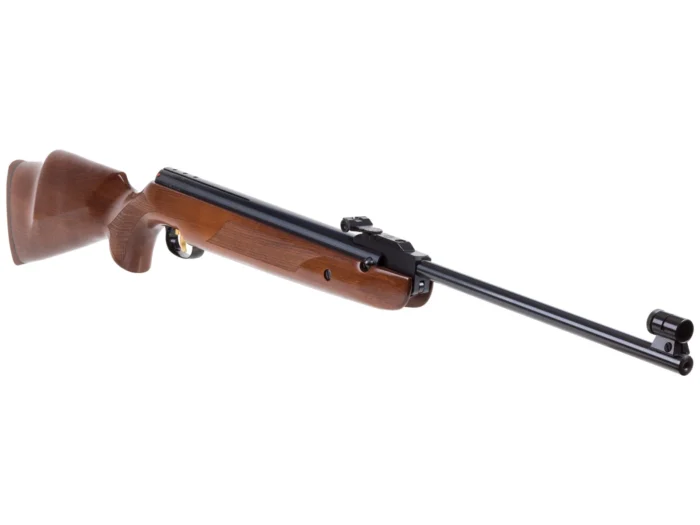
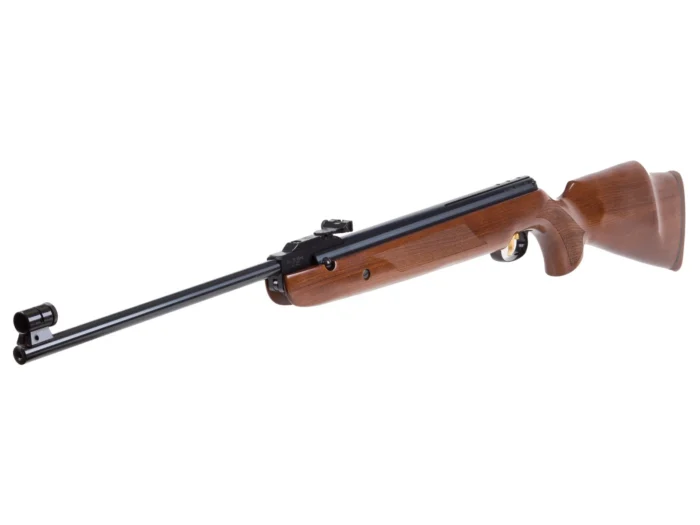
Beeman Air Rifle
Reviews
There are no reviews yet.